
As law enforcement agencies manage growing caseloads, extended retention timelines, and stricter compliance standards, the pressure on evidence storage has never been higher. After all, when evidence moves through multiple hands, after-hours drop-offs, or unsecured intake points, even small gaps can create big problems.
Digital evidence lockers bring structure to that process. By combining secure physical storage with credentialed access, time-stamped audit trails, and controlled handoffs, smart locker systems help agencies protect evidence integrity from intake to long-term storage.
The goal isn’t just to hold items safely—it’s to ensure every transfer is documented, defensible, and built to stand up in court. In short, evidence doesn’t just need a shelf. It needs a system.
What is a Digital Evidence Locker?
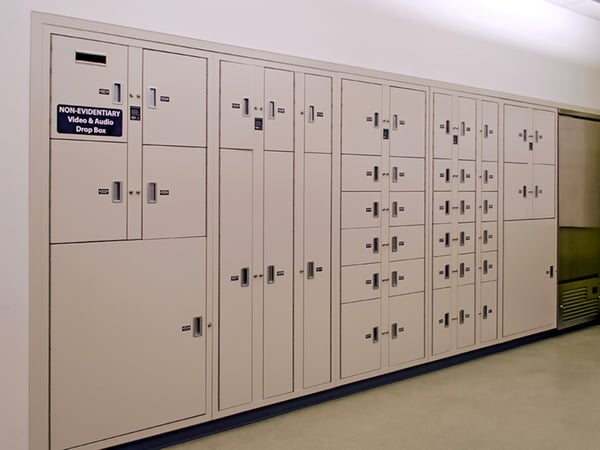
A digital evidence locker is a secure storage locker that combines physical evidence compartments with electronic locks and a digital audit system that records every access event. It protects evidence while automatically documenting chain-of-custody activity.
How Do Smart Lockers Improve the Chain of Custody for Evidence?
Smart evidence lockers improve the chain of custody by:
- Requiring credential-based authentication (keypad, RFID, or smartphone)
- Automatically logging time-stamped deposits and access events
- Restricting access by role or user group
- Enabling secure after-hours evidence intake
- Supporting pass-through evidence transfers
- Creating exportable digital audit trails for compliance
Credentialed Access That Eliminates Guesswork
Smart lockers replace shared keys and paper sign-in sheets with unique user credentials—keypad codes, RFID badges, or secure mobile access. Every interaction is tied to a specific individual, reducing ambiguity and strengthening accountability from the moment evidence is deposited.
Automated Audit Trails from Intake to Retrieval
Each deposit and retrieval is automatically time-stamped and logged. Instead of relying solely on handwritten records, agencies can access exportable digital logs that document the full custody path. That clear record supports compliance reviews, internal audits, and courtroom defensibility.
Controlled Handoff and After-Hours Security
Evidence intake doesn’t follow business hours. Smart lockers allow secure after-hours deposits and controlled pass-through retrieval from the opposite side. Role-based permissions, expiration settings, and restricted access reduce unnecessary contact, protecting evidence integrity at every transfer point.
It’s More Than a Locker with a Keypad
Not every electronic locker qualifies as a digital evidence locker. A true system includes:
- Credential-based access (keypad, RFID, or mobile)
- Programmable user permissions
- Time-stamped activity logs
- Exportable audit history
The difference isn’t in electronic access, but software-managed accountability.
Electronic Lock + Digital Tracking Layer
Modern digital evidence lockers pair secure steel construction with smart lock technology. For example:
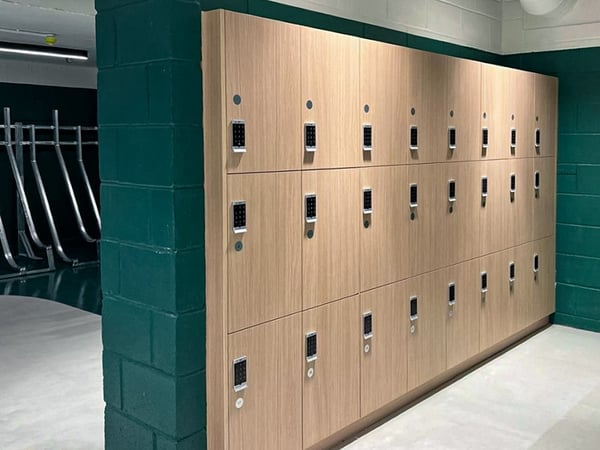
- Keypad & Bluetooth-enabled locks (such as Ojmar OCS Smart) allow access through either code or mobile authentication.
- RFID-based systems (such as the Ojmar OTS Advance) support extended battery life and store hundreds of access events within the lock memory.
- Emerging batteryless smart locks reduce maintenance while maintaining traceable access control.
What Makes a Digital Evidence Locker “Digital”?
The “digital” component refers to the automated recordkeeping. Every deposit, retrieval, override, or administrative action can be logged and reviewed. Instead of relying solely on paper logs, agencies gain a searchable, defensible history of evidence movement.

Digital Evidence Locker Technology and the Chain of Custody
Digital evidence locker technology protects the chain of custody by controlling access, documenting activity, and reducing unnecessary handling. The table below summarizes how modern systems support evidence integrity.
| Technology Feature | How It Protects the Chain of Custody |
| Credential-Based Access | Ties every interaction to a specific user |
| Automated Audit Logs | Creates time-stamped records of deposits and retrievals |
| Role-Based Permissions | Limits access to authorized personnel only |
| Remote Administration | Allows controlled credential management and oversight |
| Lock Memory Storage | Preserves access history even if network connectivity is interrupted |
This layered approach turns evidence storage into a documented, defensible process.
Credential-Based Access
Smart evidence lockers replace shared keys with user-specific credentials, such as keypad codes, RFID badges, or Bluetooth access. Each credential is uniquely assigned, ensuring access is traceable to an individual.
Certain smart lock platforms offer configurable access modes, allowing agencies to assign lockers to specific users or restrict access to defined groups. Supervisors can manage permissions through a secure smartphone app, issue or revoke credentials remotely, and maintain traceability for additional oversight.
Automated Audit Trails
Every deposit, retrieval, override, or administrative action generates a time-stamped access record. This digital log replaces reliance on paper-only documentation and strengthens defensibility during internal reviews or accreditation audits.
Audit data can often be exported into structured reports, such as Excel files, for documentation and compliance preparation. Remote permission management and battery status monitoring add oversight visibility.
Secure Pass-Through Evidence Transfer
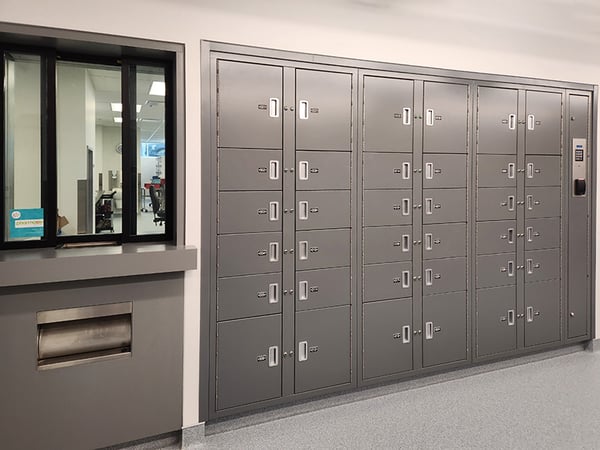
Pass-through digital evidence lockers limit unnecessary handling by separating deposit and retrieval points. Officers deposit evidence from one side, and authorized personnel retrieve it from the opposite side, reducing cross-contact and preserving integrity.
Locks can be programmed with unique retrieval codes, expiration timelines, and role-based access restrictions. In after-hours “crash locker” scenarios, evidence remains secure until properly processed.
At facilities like the Franklin Police Department, refrigerated pass-through lockers were installed to protect perishable and biological evidence, reinforcing that physical design and digital control must work together.
Are Digital Evidence Lockers Secure?
Yes. Smart digital evidence lockers use electronic locking systems, programmable permissions, and audit trails to control and document access. Many systems also support pass-through configurations, unique retrieval codes, and administrative oversight tools, helping agencies limit unnecessary handling and maintain secure custody procedures.
Can Digital Lockers Integrate with Evidence Management Systems?
Some digital evidence lockers can integrate with or complement broader evidence management or records systems, depending on the lock platform and agency setup. Even without full software integration, exportable audit logs and structured reporting help bridge physical storage with digital documentation workflows.
Are Digital Evidence Lockers Right For Your Agency?
Digital evidence lockers are often the right fit for agencies that operate 24/7, manage after-hours drop-offs, or handle high-case volumes, and could benefit from controlled intake without requiring constant staff oversight.
In multi-zone facilities—where evidence, narcotics, and weapons storage often share the same footprint—clearly defined access rules and documented activity become even more critical.
Contact a Patterson Pope representative today to discuss your facility, your policies, and your custody requirements—and together we’ll design a system built to support them.