Pharmacy lockers help patients, caregivers, and healthcare staff access medications securely outside normal service hours. In both retail and hospital pharmacies, they support after-hours pickup and drop-off while improving control over medication handoff.
These systems can be used for patient pickup, internal staff retrieval, and department-to-department exchange, depending on the workflow. Some after-hours pharmacy lockers use standard locker designs, while others include:
- Smart access options
- Pass-through configurations
- Refrigerated compartments
- Advanced lock or access management features
When planned around real workflow, pharmacy lockers can do more than extend access hours. They can improve convenience, support chain of custody, reduce handoff friction, and help create a more reliable after-hours process.
How do prescription lockers work?
Prescription lockers work by allowing pharmacy staff to place medications in secure locker compartments that patients, caregivers, or authorized healthcare staff can access later using a code, barcode, badge, app, or other approved credential.
In a typical pharmacy locker workflow, the prescription is filled, loaded into an assigned compartment, and tied to a pickup notification. When the user arrives, they verify their identity, open only the compartment assigned to them, and retrieve the medication.
Because each compartment is individually secured, pharmacy lockers can help protect privacy, reduce mix-ups, and support accountability.
In retail pharmacies, these lockers often support patient pickup during and outside normal pharmacy hours. In hospitals, clinics, and other healthcare settings, the same locker-based workflow can support internal handoff, after-hours retrieval, and controlled medication exchange across departments or shifts.
What are the benefits of a 24/7 prescription locker?
A 24/7 locker system is a great way to give patients, caregivers, and healthcare staff secure access to medications outside normal pharmacy hours. The biggest benefits include improved convenience, better workflow efficiency, and a more controlled handoff process.
Key benefits of pharmacy lockers include:
- After-hours pickup and drop-off: Patients and staff can retrieve medications when it fits their schedule, not just during staffed service hours.
- Better workflow efficiency: Pharmacy teams can reduce manual handoffs, front-counter congestion, and interruptions during busy periods.
- Clearer chain of custody: Secure compartments and controlled access help make pickup and retrieval more accountable.
- More secure access: Pharmacy lockers can limit access to the intended user and support more consistent medication handoff.
The value of a 24/7 prescription locker isn’t just extended access, but a more secure, manageable, and efficient way to handle after-hours medication pickup and handoff.
How can pharmacy lockers be configured for after-hours workflows?
Lockers aren’t defined by a single type. They’re configured based on what the workflow needs to support. From simple handoffs to highly controlled environments, most locker systems combine a set of features that shape how access, security, and storage work together.
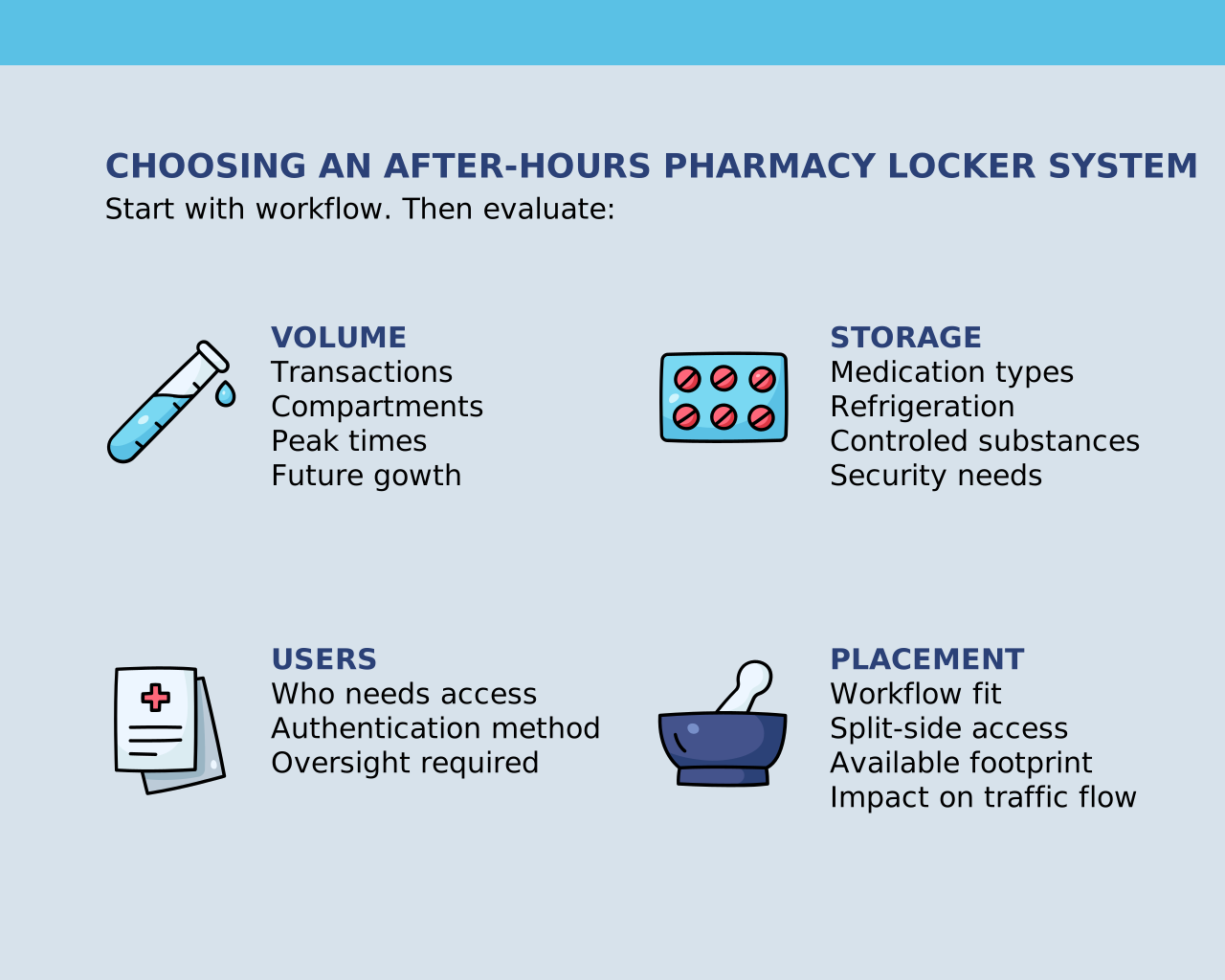
The right setup depends on factors like volume, staffing, medication types, and how much control or visibility the pharmacy needs.
Start with the workflow
At the most basic level, lockers support secure pickup and drop-off. In lower-volume environments, a straightforward exchange setup may be enough, allowing staff to load medications and users to retrieve them later without adding unnecessary complexity.
As volume increases or workflows become more distributed, additional layers of control can often come into play.
Add access control and visibility
Some locker systems incorporate smart technology to manage access, track usage, and streamline communication.
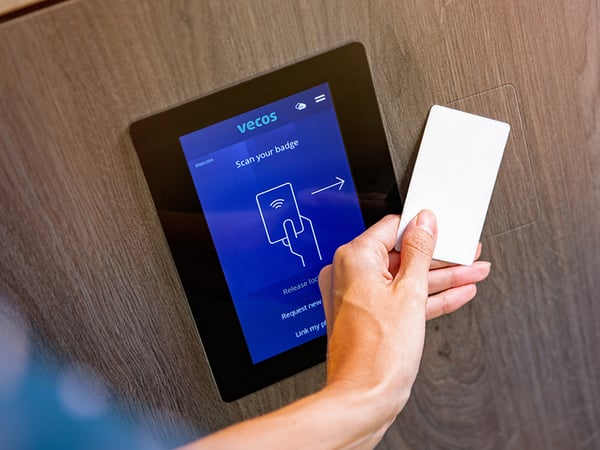
These features can include:
- Credential-based or touchless access (badges, mobile, PINs)
- Audit trails showing who accessed a locker and when
- Automated notifications when items are ready for pickup
- Centralized management across users, lockers, or locations
In hospital or multi-user environments, the added visibility can support accountability and reduce manual coordination.
Separate access when it matters
In environments where security or workflow separation is important, lockers can be configured with pass-through capability.
This allows pharmacy staff to load from one side while users retrieve from another—helping maintain restricted access areas while still supporting efficient handoff.
Support temperature-sensitive storage
For medications that require controlled conditions, refrigeration can be integrated into the locker system.
This allows pharmacies to extend after-hours access to a wider range of prescriptions while maintaining proper storage requirements. Refrigerated compartments can be combined with other features, depending on how the lockers are being used.
Are prescription lockers secure?
Yes. Prescription lockers can be a secure option for after-hours pickup and drop-off when they use secure compartments, controlled access, and clearly defined handoff workflows.
Security depends on more than the locker itself. Compartment design, access controls, locker placement, and the loading and retrieval process all help protect medications, support privacy, and make sure only the intended user can access a given compartment.
The best access method depends on the setting. Some pharmacy lockers use keys, PINs, or codes, while others use badges, mobile credentials, or other authenticated access methods.
In more complex environments, smart pharmacy lockers can add audit trails, user-specific permissions, notifications, and centralized management for greater visibility and control.
In short, prescription lockers are most secure when the locker system, access method, and workflow are designed to work together.
Choosing the right after-hours pharmacy locker solution
The right after-hours pharmacy locker solution depends on the workflow, access needs, and storage requirements of the environment.
Whether the best fit is a standard exchange locker, a pass-through configuration, a refrigerated locker, or a smart-enabled system, the goal is the same: secure access, efficient handoff, and a solution that fits the realities of the space and process.
If after-hours medication pickup or handoff is getting complicated, our space design experts can help you find a locker solution that fits your workflow.