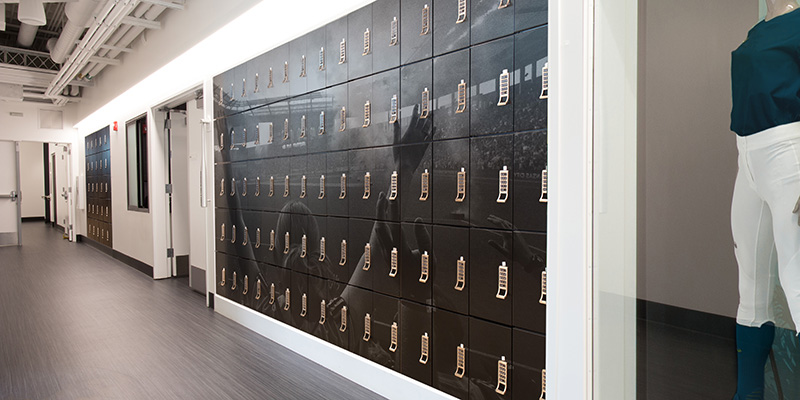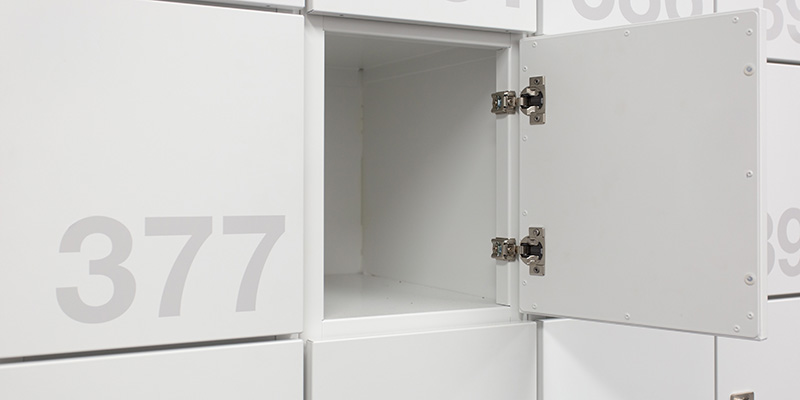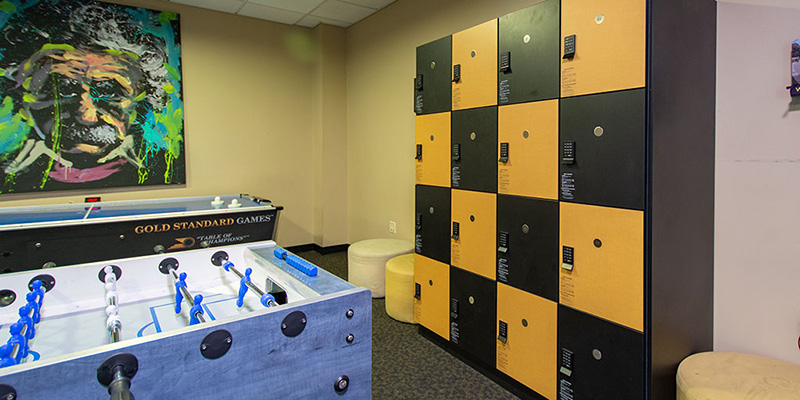
When someone tells you you’re getting a cubby locker, it’s hard not to picture sticky glue sticks and tiny backpacks. You might question how old people think you are — after all, cubbies are typically associated with classrooms where kids stash coats, books, and lunches.
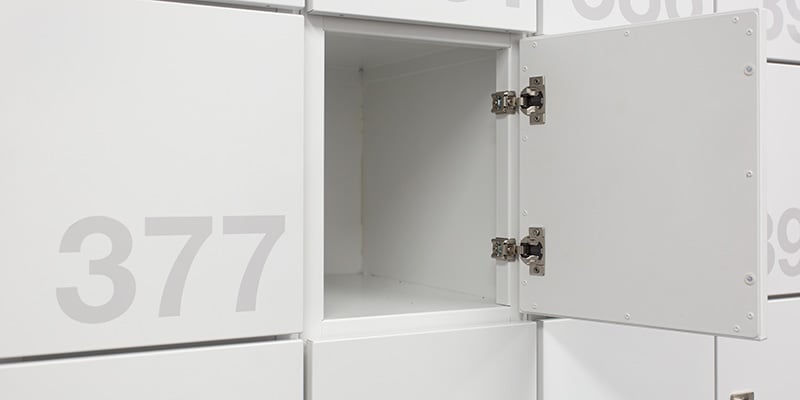
But cubbies have grown up a lot. Modern cubby lockers bring that same grab-and-go simplicity to adult workspaces, leveling up a familiar idea into something sturdy, stylish, and genuinely useful, with features your kindergarten self definitely didn’t have.
Big Moves and a Bigger Space
In short, cubby lockers are modular compartments designed to store items individually, visibly, and securely. They’re the grown-up, better-behaved cousins of the cubbies you see in daycares and mudrooms. While those are typically open-faced, workplace versions can include locking doors, making them a great fit for equipment rooms, corporate offices, shipping and receiving areas, and all kinds of educational environments.
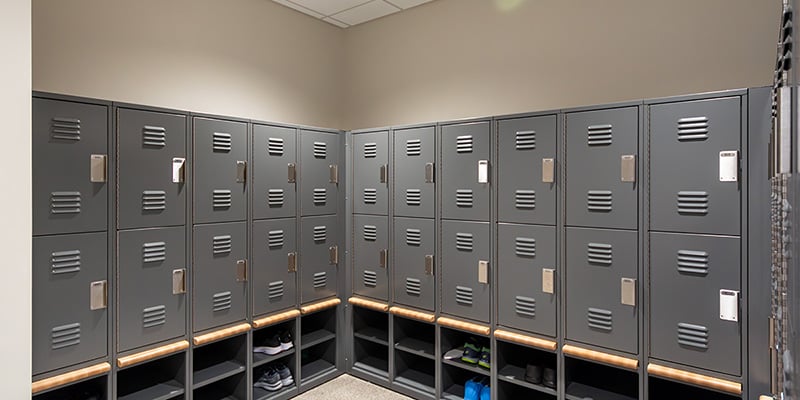
They’re available in laminate or metal and can be customized with different colors and finishes. Steel lockers are especially easy to clean, and you can even add an antimicrobial coating when extra protection is a priority.
Because the systems are modular, you can mix, match, and configure cubby lockers to fit the flow and footprint of just about any space.
How do cubby lockers work?
Cubby lockers are all about keeping things organized, visible, and (when needed) secure. How they work depends on what you need them to do. If speed is a top priority, open cubbies offer instant grab-and-go access. No keys, no codes, no guessing which door is yours. Just a clear view of what’s inside.
You can also choose between pass-through and non-pass-through cubbies. In athletic equipment rooms, pass-through cubby lockers can simplify the exchange of sweaty uniforms or gear between staff or players. (Note: If you’re storing athletic equipment, perforated storage is your friend — better airflow, fewer mystery smells.)
On the other hand, an IT department at a university might use pass-through cubby lockers with locking doors to manage device check-ins and pick-ups. Tech stays secure, students stay moving, and the repair queue becomes a whole lot easier to track.
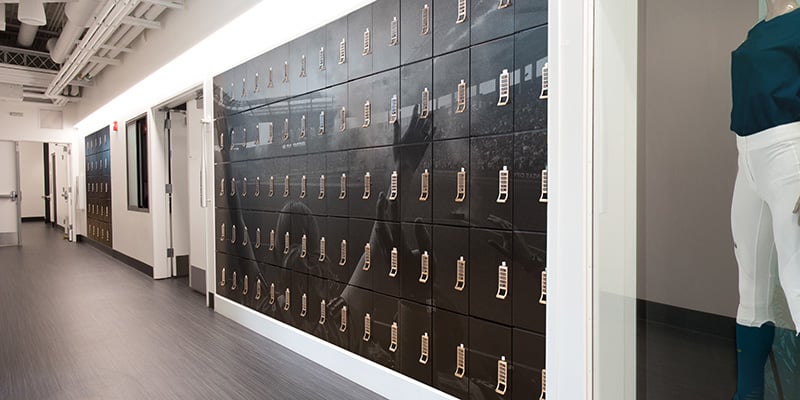
Customization is a big part of the appeal. You’ll find cubby lockers in different colors, materials, and sizes, with your choice of doors: open, solid, perforated, or lockable. Some manufacturers even offer integrated charging ports or cooling functions for environments like healthcare, where temperature-sensitive items need steady conditions.
Because cubby lockers are modular, they make the most of vertical and horizontal space. Choose wall-mounted or freestanding systems depending on how your space functions. And if you need both open and pass-through access, you can combine styles within one system for maximum flexibility.
Where are cubby lockers used?
Across industries, cubby lockers shine at the basics: less clutter, fewer lost items, and faster, grab-and-go access to everyday essentials. Here are some of the most common ways teams use them in real-world spaces:
Manufacturing and Industrial Facilities
In manufacturing and industrial spaces, open cubbies keep personal protective equipment (PPE) easy to grab at the start of a shift and help supervisors easily monitor inventory. They’re also useful for organizing tools, shared equipment, and work-in-progress so teams can hand off tasks smoothly between shifts.
Warehousing and Logistics
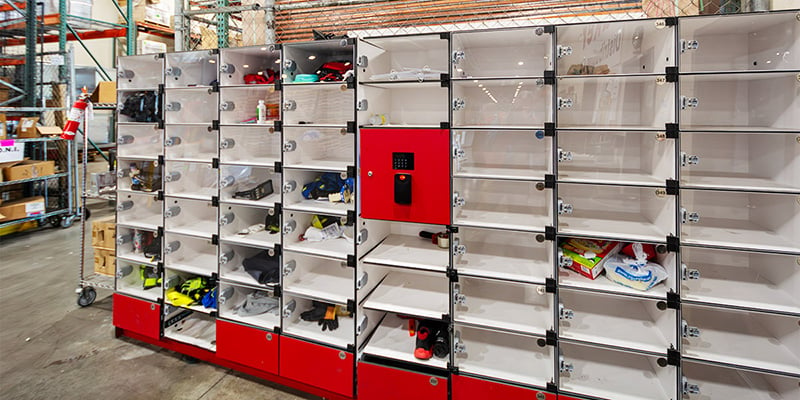
Warehouses and logistics teams use cubby lockers to keep shift changeovers running smoothly. Drivers, pickers, and packers get clear spots for scanners, RF gear, paperwork, gloves, and vests. Cubbies also help sort small orders and returns, making e-commerce workflows quicker and less chaotic.
Laboratories and Pharma
Labs and pharma teams use cubby lockers to keep clean gowns and shoe covers separate from items waiting to be sanitized, making clean-dirty workflows easier to manage. Individual cubbies also give researchers clear spots for notebooks, samples, and frequently used equipment.
Corporate Offices and Hybrid Workplaces
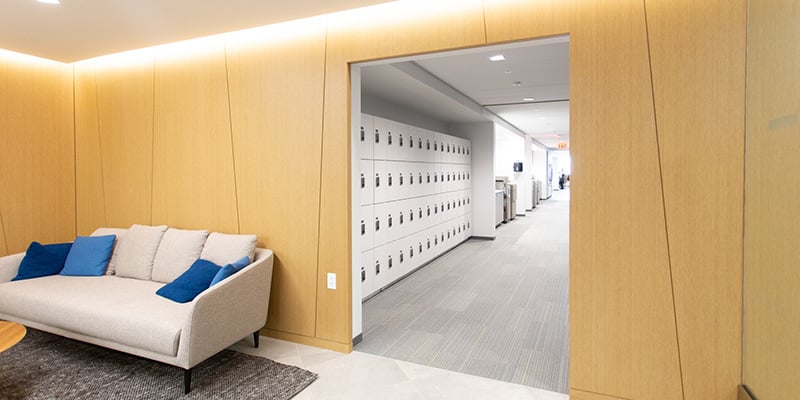
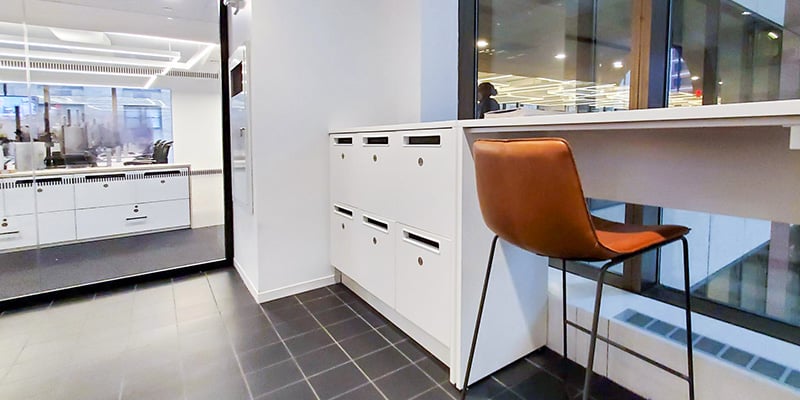
Cubby lockers help streamline everyday office chaos. Mail, packages, and shared resources like chargers or training materials all slot neatly into cubby lockers, keeping common areas tidy. They also make hot-desking easier by giving employees a secure place to store personal items and equipment when they don’t have an assigned desk.
Healthcare and Clinical Workspaces
Not everything in a clinical space needs heavy security. Controlled substances stay locked away, of course, but open cubbies give nurses and clinicians quick access to PPE, testing kits, and the portable devices they use all day.
They’re just as helpful in pre- and post-procedure areas, where staff can pre-stage gowns, forms, specimen cups, and single-use kits. With everything visible at a glance, room resets get faster, and patient flow stays on track.
Facilities Management
No matter your industry, facilities management covers a lot of ground. Cubby lockers help keep that ground clutter-free. With dedicated spaces for each department, teams can grab what they need fast and know exactly where to return it:
- Landscaping crews can store hard hats, gloves, and small tools.
- Dining hall staff can organize aprons, utensils, and personal items.
- Housekeeping teams can sort rags, cleaning bottles, batteries, and small supplies.
- Mail and delivery staff can use custom cubbies sized for incoming and outgoing items.
Choosing the Right Cubby Locker
Finding the right cubby locker is a bit like picking the right tool: it all depends on what you need it to do. A few simple questions can help you narrow down the setup that fits your space best.
What's the Main Purpose?
Start by deciding whether you need visibility or security. Open-faced cubbies make it easy to see and grab items quickly, while locking doors are the better choice for anything sensitive, valuable, or shared among teams.
What Are You Storing?
The size and weight of your items matter. Small personal belongings only need compact compartments, but more complex tools and technology (think manufacturing equipment or SWAT gear) require larger cubbies with appropriate weight capacity and sturdier construction.
What Material Works Best?
Metal stands up well in industrial settings, laminates blend nicely into offices, and plastics are a fit for moisture-prone environments. If you’re storing damp gear or equipment that runs warm, factor in ventilation to keep things dry and safe.
Which Layout Works For Your Space?
Tall units save floor space and use vertical real estate to their advantage, while lower, wider units offer easier access (without ladders). Whatever the setup, remember ADA reach ranges so all employees can comfortably access their cubbies.
How Much Flexibility Do You Need?
Wall-mounted cubbies are permanent fixtures; freestanding systems adapt as your needs evolve. If your space changes often, mobility might be worth the investment.
Need help choosing? We've got you.
If you’re looking at all these options and still thinking, “Okay…but which one is right for my space?”, then good news! That’s where we come in. Patterson Pope’s storage experts help you cut through the noise, size up your space, ask the right questions, and help you design a cubby locker system that works best for your team.